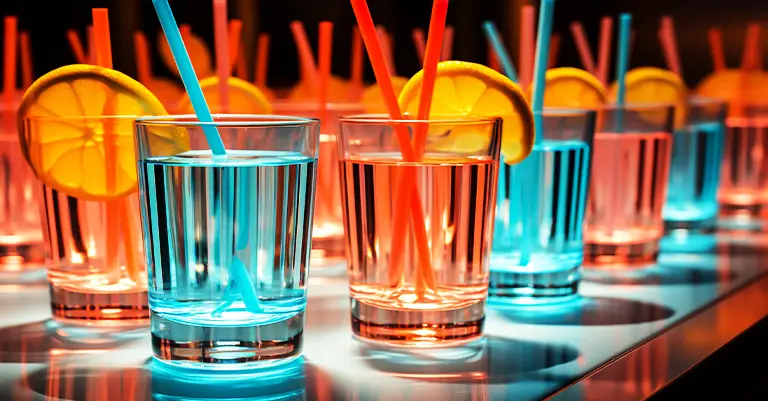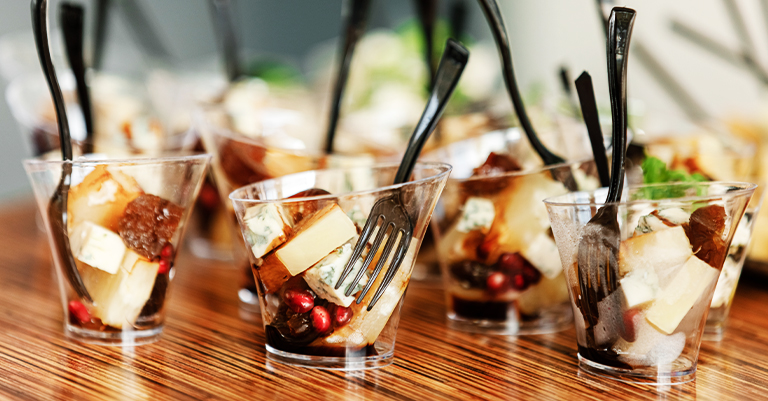
Trade shows are more crowded every year. This is why simple booth displays no longer suffice. However, hospitality and experiential marketing can help you stand out and win new customers.
Think about your best tradeshow memory. Did you only look at products or a basic demonstration? Probably not. You likely tried something, tasted food, or had coffee while talking. Innovative companies now use hospitality and experiential marketing to create these moments.
This works because people tend to make decisions based on their emotions first. Then, they find reasons to support their choice. When you serve food and drinks, you make people feel good about your brand. This makes them more likely to purchase from you.
What Is Hospitality and Experiential Marketing?
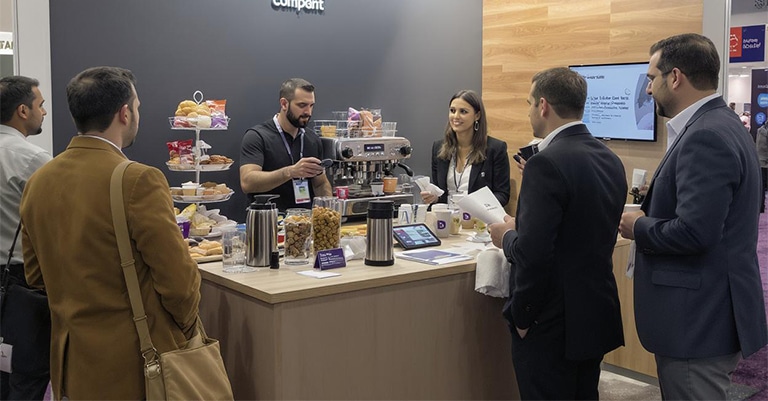
Hospitality and experiential marketing mixes regular marketing with fun experiences. It uses all five senses to help people remember your brand. This method builds personal connections through shared moments.
At tradeshows, you offer food and drinks while showing your products. The key is to plan these experiences carefully. For example, a software company might serve coffee during product demos. This links comfort with their tools.
The Psychology Behind Food-Based Marketing
Food creates strong feelings that help people remember things. When people eat or drink at your booth, they feel good about your brand. Sharing food also builds trust in ways that regular marketing cannot.
Research shows that eating sugar helps people think better and make decisions. So offering good snacks literally helps customers think more clearly about your products. Eating together also builds trust naturally.
Key Components of Effective Experiential Marketing
Strong hospitality and experiential marketing has three key parts. First, you need real experiences that fit your brand. Second, you must create chances for good talks. Finally, you should design special moments that people remember later.
For example, a tech company might host a “coffee and code” session. Developers can discuss problems over good coffee. This shows the company knows their daily work.
Why Food and Beverage Services Matter at Tradeshows
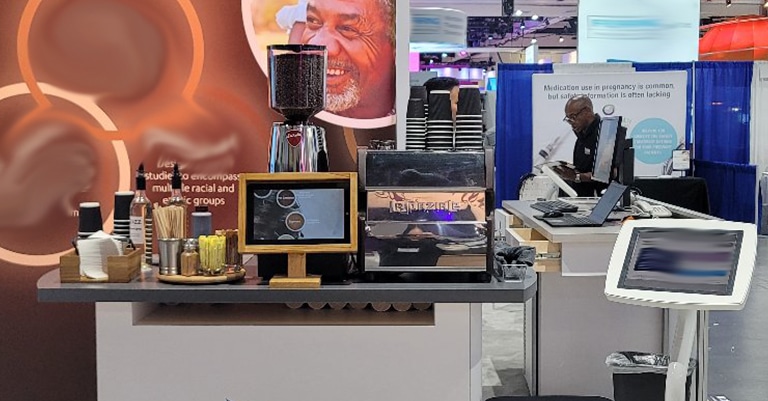
Tradeshows overwhelm people with too much information and choices. People get tired of making decisions quickly. This makes it hard to get and keep their attention. But food and drinks give people natural breaks that help their body and mind feel better.
When you offer good snacks and drinks, you let people slow down and talk. This creates a relaxed space for better conversations. Sharing food also breaks down walls that often exist in work settings.
Creating Natural Conversation Starters
Food and drinks make great conversation starters that feel normal rather than forced. Instead of walking up to strangers with sales pitches, you can invite them to try something tasty. This feels helpful rather than pushy.
For example, offering good coffee creates chances to talk about quality, sourcing, and attention to detail. These talks naturally match your business values and skills. People also appreciate real hospitality in work environments.
Standing Out from Competitors
Most exhibitors focus only on product demos and printed materials. Adding hospitality and experiential marketing makes your booth different from others right away. People remember where they had great experiences. They don’t just remember where they got brochures.
Think about how car dealers offer champagne during test drives. This works because it creates a memorable experience that fits the car they’re selling to you. Your tradeshow hospitality should also match your brand.
Creating Memorable Experiences Through Hospitality
Hospitality and experiential marketing works when all parts support your main message. You must match your food and drinks with your brand story. You also need to think about what your audience likes.
Professional providers are good at making these matches. For instance, companies like Buzz Impressions know how to make special food offerings. These show what makes clients unique. They create memorable experiences that help people connect with brands. They also know how to mix hospitality with product demos and building relationships.
Start by learning what your audience likes to eat and drink. Learn about their culture and work habits too. For instance, healthy people like fresh juice bars. Tech workers might prefer good coffee or energy drinks. Also, time your offerings to match when people naturally take breaks during the event.
Designing Multi-Sensory Experiences
Good experiential marketing uses many senses at once to create memories that last. Things people see, like pretty food displays, catch attention first. Nice smells pull people to your booth from across the room.
Hands-on experiences make people join in. These include food prep or interactive serving stations. Good background music enhances the overall experience. Ultimately, taste and smell create the strongest memories associated with your brand.
Integrating Product Demonstrations
The best hospitality and experiential marketing campaigns mix refreshments with product demos well. Instead of treating food as something separate, use it to make your main marketing message better.
For example, a project management software company might serve build-your-own sandwich stations. This activity shows how people can customize things while they eat. The team part of sharing meals also shows the teamwork their software creates.
Building Emotional Connections
Food creates feelings that go beyond just eating. Comfort foods make people think of home and family. New and different flavors suggest adventure and new ideas. So pick food that matches the feelings you want people to have about your brand.
A bank might serve warm cookies to make people feel safe and trusting. A new company might offer trendy mixed foods to show they are creative and modern. Also, think about how your food looks. This shows people how much care you put into details.
Cost-Effective Strategies for Experiential Marketing
Many exhibitors think that hospitality and experiential marketing costs too much money. But creativity often matters more than spending lots of cash. Good planning helps you get the most impact while keeping costs low.
Start with simple offerings that fit your budget and setup needs. Coffee and pastries cost much less than full catering services. They still give meaningful experiences. Partner with local vendors to cut transportation and setup costs.
Partnering for Success
Think about working with food and drink experts who know tradeshows and brands. Food service companies like Buzz Impressions offer custom services that show off your brand. They handle all the details too. This lets your team talk to customers instead of handling food.
Also, working with these experts means good quality and nice presentation that fits your brand. These experts understand food needs, venue rules, and timing issues that new teams often forget.
Maximizing ROI Through Planning
Good hospitality and experiential marketing needs careful planning to make money back. Set clear goals and track key numbers during the event. Also, pick things that help with many marketing goals at once.
For example, giving out branded coffee cups spreads your marketing after the event ends. It also serves a useful purpose. Putting charging stations next to snack areas keeps visitors around longer. This meets their practical needs too.
Measuring Success in Hospitality Marketing
Hospitality and experiential marketing success goes beyond old ways of measuring. Don’t just count booth visitors or brochures given out. Instead, focus on how well people connect with you. Look at relationship building and long-term business results.
Track how long talks last. Count contact info collection and follow-up meeting requests. Watch social media mentions and photos shared from your booth. Ask people about their experience. Find out how they view your brand now.
Key Performance Indicators
Good measurement needs the right numbers for your hospitality and experiential marketing work. Look at how people engage with you. This includes time spent at your booth and quality of talks with prospects.
Look at relationship numbers too. Focus on contact quality, not quantity. Count good leads over total talks. Track how many first talks turn into follow-up meetings or demos.
Check brand awareness numbers. This includes social media likes, brand mentions, and booth memory surveys. See how experiential marketing affects your overall event returns compared to past years.
Long-Term Impact Assessment
The real value of experiential marketing often shows up months later. Set up ways to track long-term relationship growth and business results. Compare how many prospects buy from you. Look at those who had your hospitality versus those who only got regular marketing.
Survey people several weeks after events. Check lasting brand impressions. Look at sales cycle length and deal sizes. Compare prospects who tried your experiential marketing to others.
Common Mistakes to Avoid
Many exhibitors make big mistakes when doing hospitality and experiential marketing. Learning from others can save time, money, and hurt to your reputation.
The biggest error is treating food service as extra. Don’t make it separate from your marketing. Many exhibitors also pick wrong foods that don’t fit their brand. They don’t match what their audience likes either.
Overcomplicating the Experience
Hard food service needs often create big problems. These take focus away from your main marketing goals. Start simple. Add harder things slowly as you learn. Make sure food service helps your main marketing message. Don’t let it hurt your message.
Many good exhibitors work with food and drink experts. These experts handle details while keeping your brand right. Companies like Buzz Impressions are experts at turning hard needs into smooth experiences. They support your marketing goals. These providers know venue limits, timing needs, and quality standards. This ensures success.
Don’t pick foods that need lots of prep work. Avoid special equipment or hard cleanup unless you have professional help. Think about how easy it is for people to move around. Think about their eating likes when you design your approach.
Ignoring Dietary Restrictions
Today’s audiences include people with different food limits, allergies, and likes. Failing to handle these needs can exclude big parts of your target audience. Good offerings show care and attention to detail.
Always provide vegetarian, vegan, and gluten-free options when you can. Label ingredients and how food is made clearly. This helps people make smart choices. Train booth staff to answer questions about food needs with confidence.
Getting Started with Your Strategy
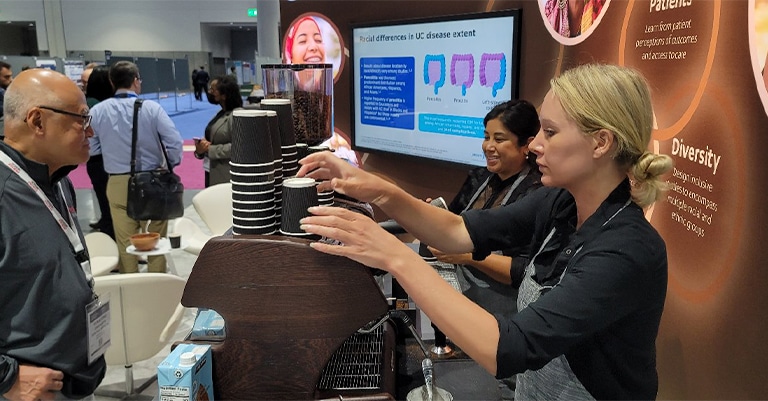
Starting your hospitality and experiential marketing journey needs careful planning. You also need realistic goals. Start with small test programs. These let you try new approaches. You can improve your strategy as you learn.
Pick one upcoming tradeshow for your first test. Pick simple food and drink options that fit your brand and budget. Set clear goals before the event starts. Decide how you will measure success.
Planning Your First Campaign
Good experiential marketing starts with knowing your audience. You need to know your event’s limits too. Research who comes to the event. Look at food trends and venue rules before you pick your offerings.
For companies serious about getting the most from their tradeshow money, working with experts offers big benefits. Food service companies like Buzz Impressions have skills in creating special food experiences. These fit perfectly with your brand and marketing goals. They handle hard details, food needs, and quality control. This makes sure everything goes perfectly.
Make detailed timelines. Include setup, service times, and cleanup needs. Find backup plans for common problems. Think about equipment failures or supply shortages. Train your team on hospitality service and product knowledge. Or work with providers who blend both parts well.
Building on Early Success
Once you get first success with hospitality and experiential marketing, slowly expand your approach. Base this on what you learned. Write down what worked well. Find areas to improve after each event.
Think about adding new parts. Try interactive cooking demos, themed experiences, or partnerships. Look at how digital tools can make your offerings better. Always keep focus on your main business goals. Do this while expanding creative parts.
Conclusion
Hospitality and experiential marketing changes tradeshows. It turns too much info into great chances to build relationships. When you mix good food and drinks with smart marketing, you create experiences people remember. They remember long after the event ends.
The key is being real. Match your food choices with your brand values. Good campaigns need careful planning. They need real budgets and clear ways to measure success. Start small and improve your approach. Do this before you spend more money.
Remember that people make choices with their feelings first. Then they find reasons later. Experiential marketing works by creating good feelings with your brand. It does this through shared experiences. Food and drinks give natural conversation starters. These feel helpful, not pushy. Tradeshows are getting harder. Exhibitors who use hospitality and experiential marketing will get big benefits. Start planning your first campaign today. Focus on good experiences. Show your brand values and serve your audience’s needs well.