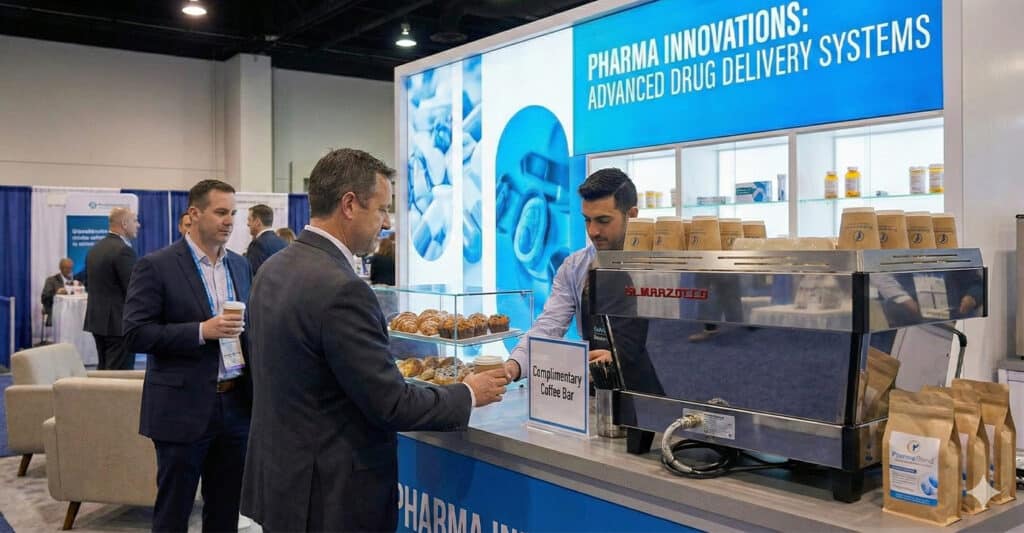
Pharmaceutical trade shows have strict rules. You can’t give away swag worth more than a few dollars. The FDA watches your messaging closely. Your competitors spend millions at the same events like ASCO, ADA, and HIMSS. So, how do you connect with busy doctors and healthcare workers at these events? The answer is not bigger screens or louder displays. You need to incorporate hospitality that creates genuine human connections while adhering to the strict rules.
TL;DR
Pharmaceutical trade show hospitality turns your booth into a place people want to visit. When you offer good coffee, healthy snacks, and comfortable seating, visitors stay 50% longer. Unlike promotional gifts with strict value limits, food and drinks are usually exempt under the Sunshine Act. This helps you start real conversations while staying compliant.
Pharmaceutical Trade Show Hospitality: By the Numbers
- Longer visits: Visitors stay up to 50% longer at booths with hospitality
- Booking time: Reserve services 8 to 12 weeks before your event
- Full espresso bar: $18,000 to $20,000 for a 3-day event
- Full program: $35,000 for espresso and food for multi-day events
- Plan extra: Order 20% more supplies than you think you need
- Talk time: 3 to 5 minutes of conversation while drinks are made
Why Does Pharmaceutical Trade Show Hospitality Matter?
What Is Pharmaceutical Trade Show Hospitality?
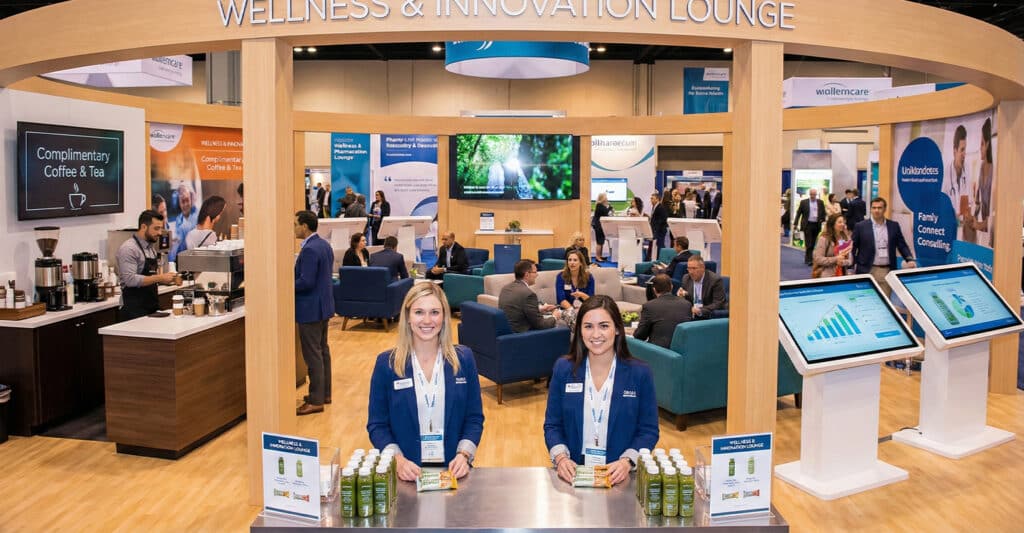
Pharmaceutical trade show hospitality means offering food, drinks, and comfort at your booth. This includes espresso bars, healthy snacks, smoothie stations, and charging areas. These services make your booth welcoming and give visitors a reason to stay. The key to staying compliant is simple: offer the same thing to everyone, not just certain doctors.
Why Does Hospitality Work Better Than Traditional Marketing?Healthy Trade Show Snacks that Will Draw a Crowd
Healthcare workers attend many conferences each year in cities like Las Vegas, Orlando, and Chicago. They have limited time and many booths competing for their attention. Your booth is not just competing with similar companies. You are competing with every exhibitor on the floor. Hospitality gives people a real reason to stop and talk with your team.
Pharma companies also face special marketing limits. You cannot give away items above a certain value under the Sunshine Act. Product claims need careful review to comply with FDA rules. Unlike cheap pens that get thrown away, hospitality creates memories. When a doctor thinks of your company, you want them to remember a good conversation over great coffee.
How Do You Get Started?
First, check with your legal team about what you can offer. Then pick hospitality options that fit your booth size and budget. Work with a hospitality company that knows the pharma industry. Finally, train your booth staff on how to move from casual chat to product discussions.
Key takeaway: Good hospitality keeps visitors at your booth roughly 50% longer, provided you follow all pharma marketing rules.
What Types of Pharmaceutical Trade Show Hospitality Work Best?
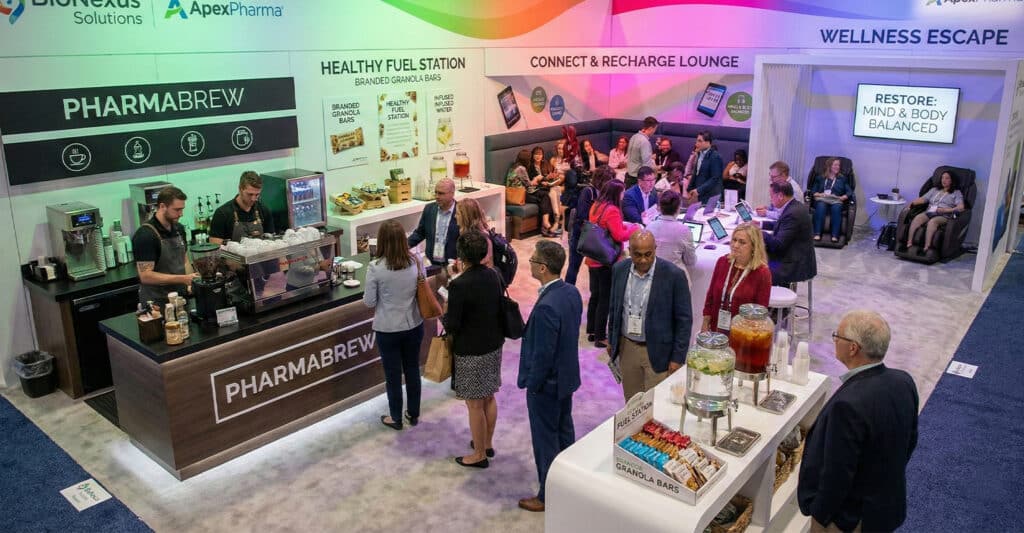
Now that you know why hospitality matters, let’s look at what works best. Your choices should match your audience, booth space, and budget.
How Do Beverage Services Help Your Booth Succeed?
Specialty coffee is the most popular choice. Healthcare workers have long days and love good coffee. An espresso bar with skilled baristas becomes a destination. People who might walk past your product display will stop for a well-made latte. The 3 to 5 minutes it takes to make their drink gives your team time to start a conversation.
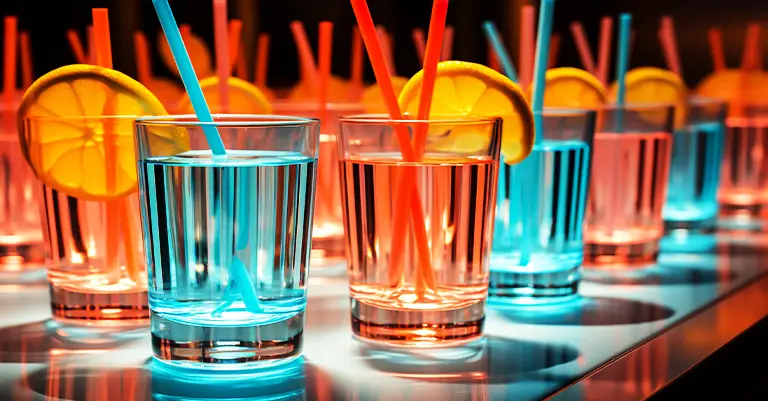
You can also offer healthy drink options. Fresh smoothies, kombucha, and fruit-infused water show that you care about wellness. These choices work well with healthcare audiences who value nutrition.
Best for: Espresso bars work best for all-day traffic. Smoothie stations work best for health-focused medical events. Infused water is best for simple, low-cost refreshment.
What Food Options Follow Pharma Rules?
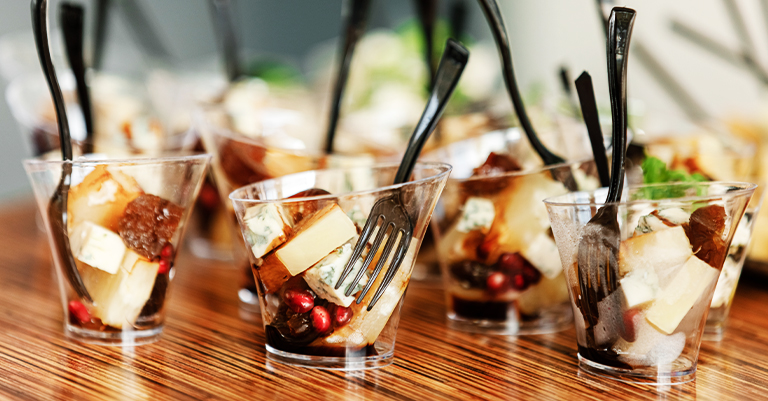
Pick foods that are easy to eat while standing or sitting briefly. Skip messy items that distract from conversations. Yogurt parfaits, fruit cups, and small snacks work well. Mini waffles and gourmet popcorn create fun moments without compliance issues.
Time your food offerings for maximum impact. Serve coffee in the morning to catch early arrivals. Offer snacks in the afternoon when energy drops. Provide refreshments late in the day to reward people who stayed for sessions.
Key takeaway: The best pharma hospitality combines quality drinks with healthy food that healthcare workers enjoy and remember.
How Does Hospitality Work with Pharma Compliance Rules?
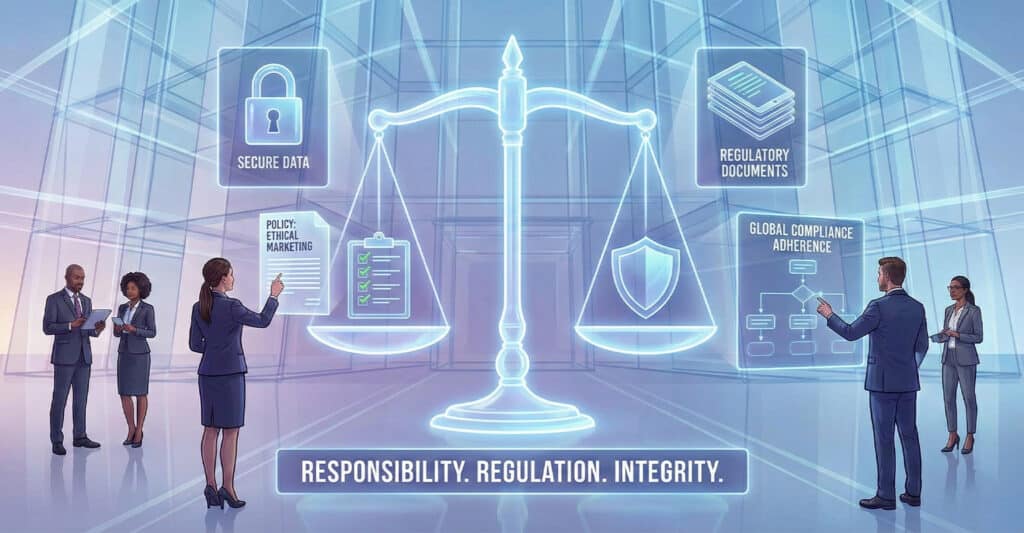
Before you plan hospitality, you need to understand the rules. You may wonder whether food and drinks meet FDA guidelines or comply with the Sunshine Act. The good news is that hospitality can be fully compliant when done right.
The Sunshine Act requires companies to report gifts to healthcare providers. But food and drinks at conferences usually qualify for an exemption. The rule is simple: offer the same thing to everyone who visits your booth. This makes hospitality safer than promotional gifts that have dollar limits.
Work with your legal team before the show. Write down how your hospitality program works. Train your staff on what to say. This preparation keeps you safe and protects your company’s reputation.
Key takeaway: Food and drinks at trade shows are usually compliant when offered to all visitors equally. This makes hospitality a safer choice than promotional items of limited value.
Pharmaceutical Trade Show Hospitality Options Comparison
Use this table to compare your options for your next event at ASCO, AHA Scientific Sessions, or other major medical conferences.
| Hospitality Type | Engagement Impact | Compliance Risk | Best For |
| Espresso Bar | Very High | Low | All-day traffic |
| Healthy Snacks | High | Low | Afternoon energy |
| Smoothie Station | High | Low | Health-focused crowds |
| Charging Lounge | Medium-High | Very Low | Long conversations |
| Mocktail Bar | Very High | Low | End-of-day networking |
When Should You Invest in Pharmaceutical Trade Show Hospitality?
Not every trade show needs a full hospitality service. Think about how important the show is, who attends, and what your competitors are doing. Big events like ASCO, ADA, HIMSS, and AHA Scientific Sessions deserve premium hospitality. Smaller regional events might need a simpler approach.
Also, think about your booth size and traffic patterns. Hospitality needs space without blocking your product displays. Plan for busy times when sessions end, and people flood the exhibit hall. Make sure you can serve everyone who visits during peak hours.
Best for: Premium programs are most effective at major conferences. Simple options work best at regional meetings. Shared sponsorships work best for small booths at big shows.
How Do You Measure Pharmaceutical Trade Show Hospitality ROI?
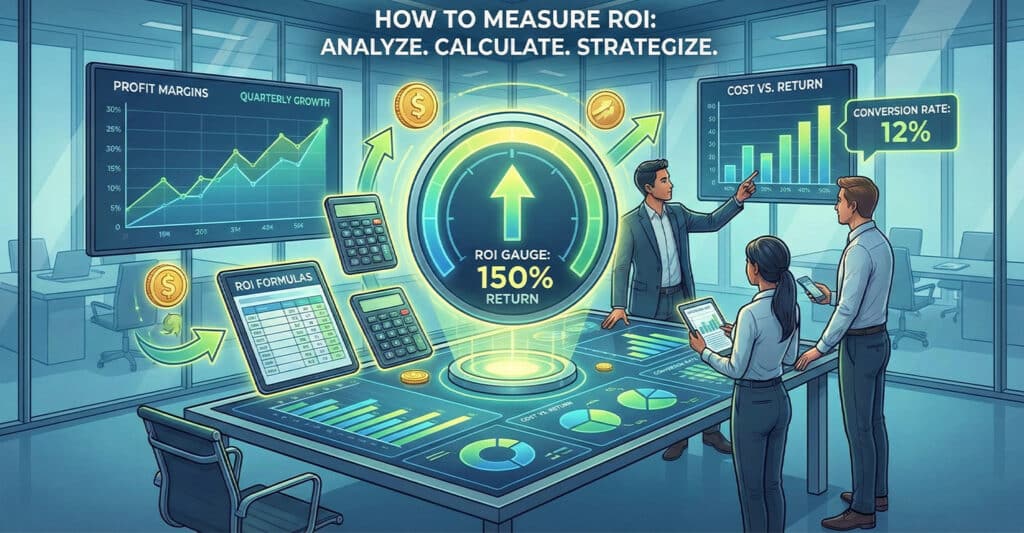
After you add hospitality to your booth, you need to track how well it works. Count how many people you serve at hospitality stations. Note how many casual visitors turn into real product conversations. Ask visitors about their booth experience. Compare the quality of leads from hospitality users versus non-users.
Focus on cost per good conversation, not cost per visitor. A $10 coffee that leads to a 30-minute talk with an important doctor is worth more than a $2 pen that gets thrown away. Track your follow-up success rates based on how people first engaged with your booth.
Key takeaway: Companies see around 50% longer booth visits and better leads with professional hospitality. This makes the investment worthwhile for most pharma exhibitors.
Steps to Launch Pharmaceutical Trade Show Hospitality
Follow these steps to start your hospitality program.
- Check compliance rules: Meet with your legal and compliance teams early. Review your company policies, PhRMA Code guidelines, and Sunshine Act rules. Get written approval for your hospitality plan before you book anything. This protects your company and keeps you safe from costly mistakes.
- Set your goals: Decide what success looks like for your booth. Do you want more visitors, longer visits, better leads, or a stronger brand image? Pick one or two main goals so you can measure results. Your goals will shape which hospitality options make the most sense.
- Pick your services: Choose hospitality that fits your audience, booth size, and budget. Consider your traffic patterns and peak hours. Match your offerings to the conference schedule. Morning events need coffee, afternoon crowds want snacks, and end-of-day visitors appreciate refreshing drinks.
- Find a good partner: Work with a hospitality company that knows pharma industry rules. Ask about their experience at medical conferences. Check their references and insurance coverage. A good partner handles permits, equipment, and staffing so you can focus on your visitors.
- Train your team: Teach your booth staff how to move from casual chat to product talks. Practice opening lines and role-play common situations. Make sure everyone knows how to capture lead information. Your team should view hospitality as a conversation starter, not just a perk.
- Track and improve: Measure your results from day one. Count visitors, note conversations, and track which leads came through hospitality. After the show, review what worked and what did not. Use these insights to make your next program even better.
Pharmaceutical Trade Show Hospitality Checklist
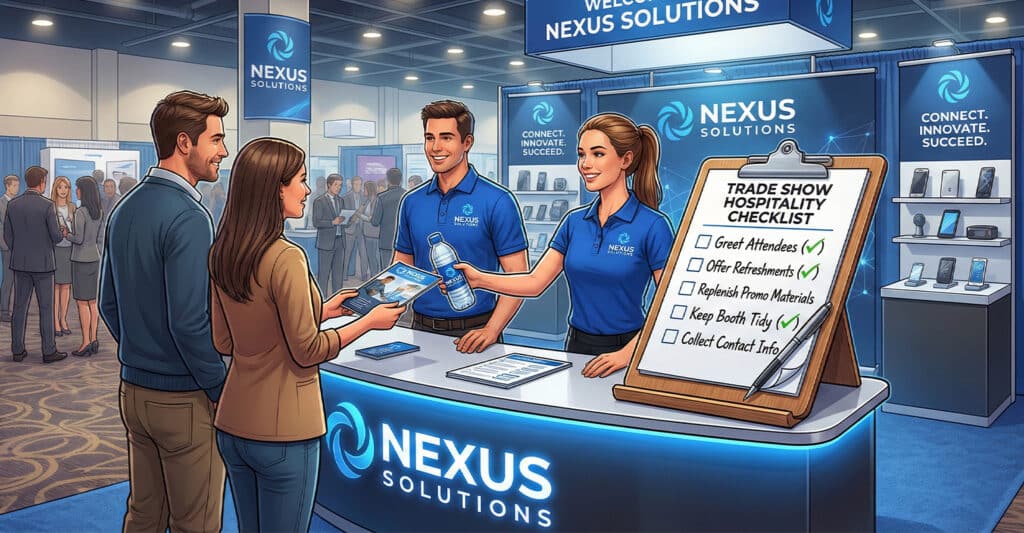
Use this checklist to keep your hospitality program on track.
Before the Show
- Get approval from your legal team: Submit your hospitality plan in writing and request formal sign-off. Include details about what you will serve, how it will be offered, and your open-access policy.
- Book your hospitality vendor 8 to 12 weeks early: Contact vendors as soon as you confirm your booth space. Popular conferences book up fast, and waiting means fewer choices and higher prices.
- Make sure your booth layout has room for hospitality: Work with your exhibit designer to place hospitality stations where they draw visitors in without blocking product displays or demos.
- Check permits and insurance with the venue: Confirm that your hospitality vendor has the required health permits and liability coverage. Some venues require advance paperwork or approved vendor lists.
- Train your staff on how to start product conversations: Run practice sessions before the show. Teach opening lines, handoff techniques, and ways to move from casual chat to clinical discussions naturally.
- Set up a system to track hospitality leads separately: Create a way to tag or mark leads that came through hospitality. This helps you measure ROI and compare results against non-hospitality contacts.
- Order branded cups or napkins if you want them: Allow 4 to 6 weeks for custom items. Keep branding simple with your logo only. Avoid product names or claims on food service items.
During the Show
- Watch your supply levels throughout each day: Assign someone to check inventory every hour. Running out of coffee or snacks during peak times damages your brand and wastes the opportunity.
- Restock before sessions end and crowds arrive: Check the conference schedule and prepare for traffic spikes. Have fresh supplies ready 15 minutes before major sessions let out.
- Count visitors at hospitality stations: Use a clicker counter or tally sheet to track how many people you serve. Record counts by time of day to spot patterns for future events.
- Keep your booth clean and trash-free: Schedule cleanup every 30 minutes during busy periods. Empty trash before it overflows and wipe down surfaces regularly.
- Give hospitality staff regular breaks: Rotate baristas and food service staff every 2 to 3 hours. Tired staff give poor service and reflect badly on your company.
- Write down notes about good conversations: Capture details while they are fresh. Note what topics came up, what the visitor was interested in, and any follow-up actions promised.
After the Show
- Add up total visitors served: Compile your daily counts into a final number. Compare this to your pre-show estimates to improve planning for next time.
- Compare lead quality from hospitality versus non-hospitality visitors: Review your tagged leads and score them by engagement level, title, and buying authority. Look for patterns that show hospitality impact.
- Calculate your cost per good conversation: Divide your total hospitality spend by the number of meaningful product discussions. Compare this to other lead generation costs.
- Ask your staff what worked and what did not: Hold a debrief within one week of the show. Gather feedback on timing, offerings, booth flow, and visitor reactions while memories are fresh.
- Track how many hospitality leads turn into sales: Monitor your hospitality-tagged leads through your sales pipeline. Measure conversion rates at 30, 60, and 90 days after the event.
- Write down ideas for your next event: Document lessons learned and improvement ideas in a shared file. Include what to keep, what to change, and what to try next time.
Final Thoughts
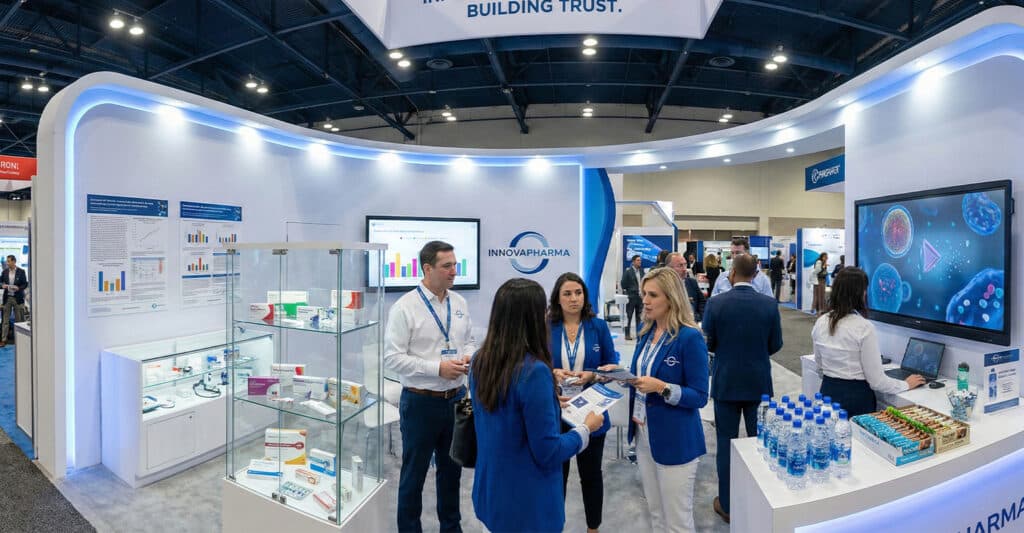
Pharmaceutical trade shows need more than clinical data and product messages. Healthcare workers remember experiences, not brochures. Good hospitality creates those experiences while following the rules your industry requires.
Start with your next big conference at ASCO, HIMSS, or your specialty society meeting. Pick one hospitality element that fits your booth and budget. Test it, measure your results, and build from there. The pharma companies winning at trade shows know that genuine hospitality builds relationships that product claims alone cannot create.
Your competitors will keep handing out branded items that end up in hotel rooms. You can choose a different path. Create moments that healthcare workers actually want to remember.
Key takeaway: Good hospitality keeps visitors at your booth 50% longer while following all pharma marketing rules. This makes it one of the best investments you can make for your trade show program.
Ready to elevate your pharmaceutical trade show presence? Contact the Buzz Impressions team today to book compliant hospitality services for your next medical conference. Our team understands pharma industry rules and will help you create memorable booth experiences that drive real conversations with healthcare professionals.
Frequently Asked Questions
What Is Pharmaceutical Trade Show Hospitality?
Pharmaceutical trade show hospitality means offering food, drinks, and comfort services at your booth to attract healthcare workers. These services create a welcoming space where people want to stay and talk. Common options include espresso bars, healthy snacks, smoothie stations, and phone charging areas.
Is Trade Show Hospitality Compliant for Pharma Companies?
Yes, food and drinks at trade shows usually follow pharma marketing rules when offered to everyone equally. Unlike promotional gifts with value limits, hospitality often qualifies for exemptions under the Sunshine Act and PhRMA Code. The key is making sure anyone can enjoy your hospitality, not just certain doctors.
How Does Hospitality Follow the Sunshine Act?
The Sunshine Act requires reporting gifts to healthcare providers. But food and drinks at conferences qualify for exemptions when offered to everyone equally. Companies should document their open-access approach and train staff on proper procedures.
What Hospitality Works Best at Medical Conferences?
Espresso bars, healthy snacks, smoothie stations, and comfortable seating are most effective at conferences like ASCO, ADA, HIMSS, and AHA Scientific Sessions. Healthcare workers appreciate good coffee and healthy food options that align with their wellness focus.
What Does Pharmaceutical Trade Show Hospitality Cost?
Costs depend on what you offer and how long your event lasts. Full espresso bars with staff cost $18,000-$20,000 for a 3-day show. Complete packages with food, drinks, and staff cost around $35,000 for 3-day events.
What ROI Can Pharma Companies Expect from Hospitality?
Pharma companies typically see booth visits that are 50% longer when hospitality is included. Lead quality improves because longer conversations help staff identify serious prospects. When you measure cost per good conversation instead of cost per visitor, hospitality usually wins.
How Early Should You Book Trade Show Hospitality?
Book 8 to 12 weeks before major conferences. Popular events like ASCO, ADA, and HIMSS require even earlier planning due to high demand. Waiting too long may mean limited options and higher prices.
Can You Put Your Logo on Hospitality Items?
Yes, you can brand many hospitality items. Cups, napkins, and signs can show your company logo. Some companies use branded latte art or custom cup sleeves. Just avoid putting product names or claims on food items to stay compliant.
What Hospitality Works in Small Booths?
Small booths can use single-serve coffee machines, packaged snacks, and bottled water. These take up little space but still offer hospitality benefits. You can also sponsor shared refreshment areas at bigger shows.
How Do You Handle Food Allergies and Dietary Needs?
Offer choices like dairy-free milk, gluten-free snacks, and clear ingredient labels. Healthcare workers, especially, appreciate it when you consider dietary needs. Your hospitality partner should provide allergy information for all items.
Do You Need Permits for Trade Show Food Service?
Most convention centers require approved vendors or health permits for food service. Professional hospitality companies handle permits and insurance for you. Check with show management during your planning process.
How Do You Train Staff to Use Hospitality Effectively?
Teach your staff how to move naturally from casual chat to product discussions. Practice opening lines that start with refreshments before moving to clinical topics. Role-play situations where visitors stay at hospitality but do not ask about products.
Common Mistakes to Avoid
Watch out for these problems as you plan your hospitality program.
Running Out of Supplies
Running out of coffee during busy times hurts your image. Healthcare workers notice when a booth cannot deliver on its promises. Order 20% more than you think you need and arrange for quick restocking.
Blocking Traffic Flow
Hospitality stations that block product displays create jams and frustration. Design your booth so hospitality supports rather than detracts from your main message. Put refreshment areas where they pull visitors deeper into your space.
Letting Trash Pile Up
Overflowing trash and scattered cups make you look bad and can damage your brand. Schedule regular cleanup throughout show hours. A messy booth tells healthcare workers that your company doesn’t pay attention to detail.
Forgetting Staff Breaks
Hospitality teams need regular breaks to stay sharp. Tired baristas provide poor service, reflecting badly on your brand. Build enough staff rotation into your plan from the start.
Not Tracking Results
If you do not count visitors or track conversations, you cannot prove your investment worked. Set up simple counting systems on day one. Write down which hospitality chats turn into real product discussions.
Skipping Legal Review
Assuming hospitality is automatically compliant without legal approval is risky. Document your approach before the show. Get written approval from your legal team confirming your open-access setup.