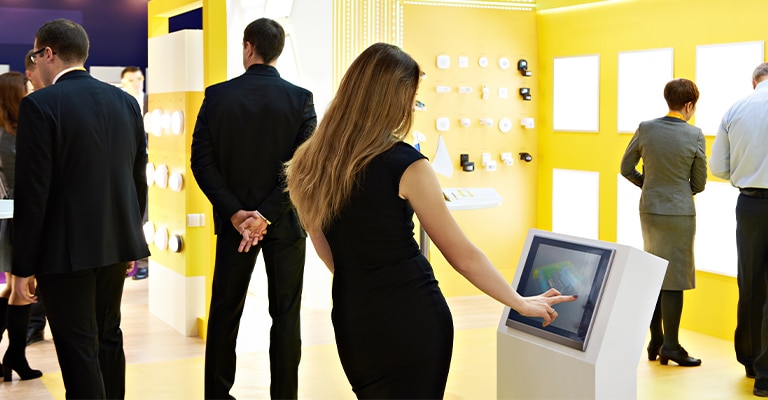

You spent thousands on your trade show booth. Your graphics look sharp. Your team is ready. Yet attendees walk right past while the booth next door has a line out the door. What went wrong? The difference often comes down to which features you chose to invest in. This guide moves beyond generic advice to show you which trade show features deliver real results and which waste your budget.
TL;DR
The most effective trade show features combine sensory engagement with smart interaction. Food and beverage hospitality draws initial attention, while interactive technology keeps visitors engaged longer. Professional booth staffing converts that engagement into qualified leads. Research shows that booths with eye-catching displays attract nearly half of all attendees. Those offering giveaways see engagement jump by over 50%. The key is selecting features that align with your goals and audience expectations.
Why Do Some Trade Show Booths Attract More Visitors?
The trade show floor is a competitive environment where every exhibitor fights for attention. Research from the Center for Exhibition Industry Research shows that 92% of attendees come specifically to discover new products and services. This creates both opportunity and challenge for you as an exhibitor. Your booth competes against hundreds of others for the same limited attention spans.
Successful booths understand a fundamental principle: attraction happens in layers. The first layer is visual. Attendees scan the floor and make split-second decisions about which booths deserve closer inspection. The second layer is engagement. Once visitors approach, your features must give them reasons to stay. The third layer is conversion. Your staff and systems must capture interest and turn it into actionable leads.
Understanding these layers helps you make smarter investment decisions. Let’s look at which features work best at each stage.
What Are the Most Effective Trade Show Features?
Different features serve different purposes. Some excel at attracting initial attention while others shine at deepening engagement. The most successful exhibitors combine multiple feature types to create a complete experience. This approach guides visitors from curiosity to conversion in a natural flow.
Interactive Technology and Digital Experiences
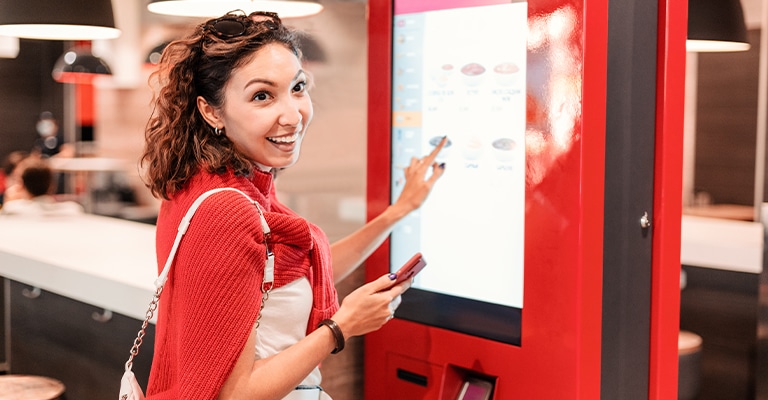
Technology has changed what you can do at trade shows. Interactive displays invite participation rather than passive observation. Touchscreens let visitors explore your products at their own pace. Virtual reality transports them into demonstrations that would be impossible in physical space.
- Touchscreen displays: Allow self-guided exploration of product catalogs and company information.
- Virtual reality stations: Create memorable experiences that showcase complex products or environments.
- Augmented reality applications: Add digital information and interactive features to physical products.
- Digital lead capture: Streamline data collection so no contact information slips through the cracks.
The key is choosing technology that serves your message rather than distracting from it. A VR experience should show off your value, not just provide entertainment. When you select tech features, ask yourself: Does this help visitors understand what we offer?
Food and Beverage Hospitality
Nothing draws a crowd like the promise of refreshment. Trade show attendees spend hours on their feet, often without easy access to quality food and drinks. A booth offering hospitality is a welcome destination. More importantly, it creates natural opportunities for conversation that feel less like a sales pitch.
- Espresso and specialty coffee: Premium beverages with professional barista service signal quality and draw steady traffic.
- Gourmet snacks and treats: Options like cake pops, beignets, or custom confections create shareable moments.
- Infused water stations: Health-conscious alternatives attract visitors while providing photo-worthy presentations.
- Branded food experiences: Custom treats with your logo extend brand visibility beyond the booth.
The hospitality approach works because it addresses a real need. You’re helping attendees while creating positive feelings about your brand. Visitors remember how you made them feel. This emotional connection sets the stage for the following type of feature.
Strategic Booth Design Elements

Your design speaks before your staff says a word. The visual elements of your booth tell attendees whether you’re worth their time. Strong design doesn’t require a massive budget. It requires wise choices about how to use your space.
- Vertical displays: Tall structures increase visibility from across the show floor and maximize limited space.
- Dynamic lighting: Strategic lights highlight products and create an atmosphere that draws attention.
- Open layouts: Remove barriers that prevent visitors from entering and engaging naturally.
- Comfortable seating areas: Give visitors reasons to linger and spaces for deeper conversations.
Every design element should serve a purpose. Looking good matters, but function determines results. Once your design attracts visitors, you need the right people to convert them.
Trained and Engaging Staff
Your booth features attract visitors. Your staff converts them. The most sophisticated setup fails without team members who can engage effectively. Trade show staffing requires skills distinct from those in traditional sales environments.
- Product expertise: Your staff must answer questions confidently and explain benefits clearly.
- Approachable presence: Friendly body language and genuine interest invite interaction.
- Qualification skills: The ability to identify promising prospects and prioritize engagement accordingly.
- Follow-up systems: Processes for capturing information and scheduling post-show contact.
Professional hospitality staff who understand your brand can bridge the gap between attracting visitors and generating qualified leads. Now that you know which features work, let’s explore how to maximize their impact.
How Do Interactive Elements Increase Engagement?
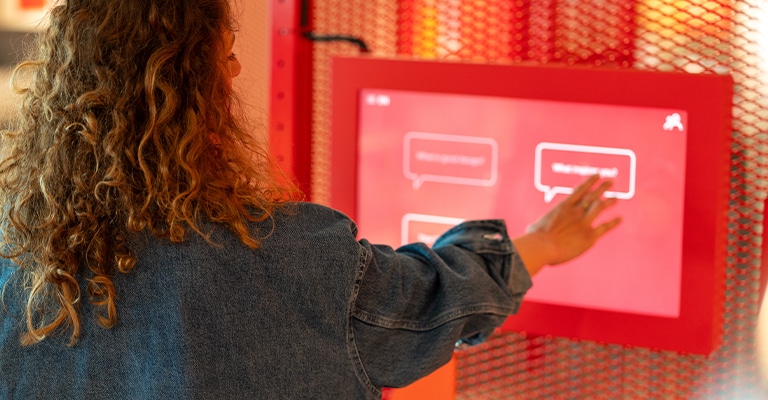
Passive displays let visitors look and leave. Interactive elements invite participation, creating deeper connections. Research shows that booths with interactive features have 40 to 60 percent longer visitor engagement than static displays. This extended contact gives you more opportunities for conversation and relationship-building.
Games and contests generate excitement and give visitors reasons to return. Photo opportunities encourage social sharing, extending your reach beyond the show floor. Product demos let prospects experience your solutions firsthand rather than hearing about them secondhand. Each interaction creates a touchpoint that strengthens brand recall long after the event ends.
The question isn’t whether to include interactive elements. The question is which ones fit your situation and budget.
When Should You Invest in Premium Features?
Not every show justifies maximum investment. Innovative exhibitors match their feature selection to specific circumstances. Consider premium features when you’re launching new products that benefit from immersive demonstration. They also make sense when your target audience includes key decision-makers worth significant individual investment.
Premium features work well when competitors typically underinvest, and you can stand out with clear differentiation. They also pay off when the show attracts your ideal customer profile in large numbers.
Scale back to essential features for smaller regional shows, events outside your primary market, or situations where brand awareness matters more than immediate lead generation. The following table helps you compare your options.
Comparison Table: Effective Trade Show Features by Impact
| Feature Type | Traffic Impact | Engagement Impact | Budget Level |
| Eye-catching displays | High | Moderate | Medium to High |
| Giveaways and freebies | High | Moderate | Low to Medium |
| Interactive technology | Moderate | High | Medium to High |
| Food and beverage hospitality | High | High | Medium to High |
| Games and contests | Moderate to High | High | Low to Medium |
| Trained booth staff | Moderate | Very High | Variable |
Common Mistakes to Avoid
Even the best features can fail if you make these common errors. Learning from others’ mistakes saves you time and money.
Overcomplicating Your Message
Too many features create confusion. Visitors should understand what you offer within seconds. Focus on two or three elements that support your core message. A cluttered booth overwhelms people and sends them to simpler competitors. Pick your strongest features and let them shine.
Neglecting Staff Training
Expensive features fail without knowledgeable staff. Your team needs to understand every element of your booth and how to use it to facilitate conversations. Invest in preparation before the show. Role-play common scenarios. Ensure everyone is familiar with the technology and can troubleshoot fundamental issues.
Choosing Entertainment Over Relevance
Fun elements that don’t connect to your brand attract crowds but not qualified leads. A random game might draw visitors, but they leave without understanding your value. Every feature should tie back to your message. Ask yourself: Does this help people remember what we do?
Ignoring Post-Show Follow-Up

Lead capture without timely follow-up wastes your investment. You collected contact information, but what happens next? Plan your outreach before the event. Set up email sequences and assign follow-up responsibilities. Leads go cold fast, so reach out within 48 hours of the show ending.
Skipping Measurement
Track which features drive results. Without data, you’re guessing about what works. Count booth visitors, score lead quality, and note which stations get the most attention. Use this information to improve your approach for future shows. What gets measured gets better.
Underestimating Logistics
Complex features require setup time and technical support. Build extra time into your schedule for testing and troubleshooting. Arrive early. Have backup plans for technology failures. Nothing hurts your image more than features that don’t work when visitors arrive.
Frequently Asked Questions
What are the most effective trade show features for driving booth traffic?
The most effective trade show features combine visual impact with meaningful engagement. Research shows 48% of exhibitors identify eye-catching displays as their top attraction strategy. Meanwhile, 52% of attendees are drawn to booths offering giveaways. Interactive elements extend visitor engagement by 40 to 60 percent compared to static displays. Food and beverage hospitality also ranks among the top performers because it addresses real attendee needs while creating natural conversation opportunities.
What is the most cost-effective trade show feature for small budgets?
Promotional giveaways offer a strong ROI even on limited budgets. Choose items attendees will actually use, branded with your logo and contact information. Quality matters more than quantity. A valuable item that stays on someone’s desk generates more value than cheap items that get discarded. You can also achieve good results with simple games or contests that require minimal investment yet generate excitement.
How much should I budget for trade show booth features?
Industry data suggests allocating 40% of your total exhibit budget to booth design and features. For mid-sized exhibitors, this typically ranges from $4,000 to $12,000 per show. Premium features such as professional hospitality or VR experiences can add $2,000 to $10,000, depending on complexity and run time.
How does food and beverage hospitality help at trade shows?
Food and beverage hospitality ranks among the most effective trade show features because it meets a real attendee need. Trade show floors are exhausting, and visitors appreciate refreshment. Professional espresso service, gourmet snacks, and branded treats draw steady traffic. More importantly, they give your staff natural reasons to start conversations that don’t feel like sales pitches.
Do interactive features actually generate more leads?
Yes, when implemented well. Interactive elements increase dwell time by 40 to 60 percent. This gives your staff more opportunities for meaningful conversation. The key is to pair interactive features with effective lead-capture systems so engagement becomes actionable contacts. Technology like touchscreens, virtual reality, and augmented reality creates memorable experiences that attendees share with others.
What features work best for B2B versus B2C shows?
B2B benefits from features that enable deeper conversations: comfortable meeting spaces, product demonstrations, and professional hospitality. B2C shows a preference for high-energy elements like games, photo opportunities, and experiential technology. Both types benefit from strong visual design and trained staff who can adapt their approach to different visitor needs.
Why does booth staff matter so much?
Booth staffing determines whether attractive features actually convert visitors into qualified leads. Your staff need product expertise combined with an approachable presence. They also need qualification skills to identify promising prospects and systematic follow-up processes. Features attract visitors, but your people convert them into business opportunities. Professional hospitality staff who understand your brand can effectively bridge this gap.
How do I measure which features perform best?
Track multiple metrics: booth traffic counts, lead quality scores, dwell time at different stations, and post-show conversion rates. Survey your team after each show to identify which features generated the most productive conversations. Compare results across events to recognize patterns. This data helps you invest more wisely at future shows.
Can practical features make up for a poor booth location?
Strong features can partially offset location challenges. Vertical displays increase visibility from anywhere on the floor. Hospitality attracts visitors seeking refreshment, regardless of where you’re located. However, location still matters a lot. If possible, invest in premium placement alongside practical features for the best results.
What mistakes should I avoid with trade show features?
Common trade show feature mistakes include overcomplicating your booth with too many elements, choosing entertainment over brand relevance, and neglecting staff training. Failing to plan post-show follow-up also wastes your investment. The most effective exhibitors focus on two or three features that support their core message. They also measure results to improve their approach over time.
How far in advance should I plan my trade show features?
Begin planning three to six months before major shows. Technology features and custom hospitality require lead time for sourcing and setup. Staff training should begin at least four weeks in advance. Last-minute additions typically cost more and perform worse than well-planned implementations. Early planning also gives you time to negotiate better rates with vendors.
Final Thoughts
Trade show success depends on wise choices about which features to invest in. The most effective approach combines visual impact to attract initial attention, interactive elements to deepen engagement, hospitality to create positive associations, and trained staff to convert interest into action. No single feature works by itself.
Start planning your next trade show now. Look at which features generated the best results from your previous events. Identify gaps where additional investment could improve performance. Test new approaches at smaller shows before committing significant resources. The exhibitors who consistently outperform their competitors aren’t necessarily spending more. They’re spending smarter. Your next trade show is an opportunity to connect with prospects actively seeking solutions. Make sure your booth gives them every reason to stop, engage, and remember you.