TL;DR: Modern trade show displays prioritize sustainability, interactive technology, and modular flexibility. Top trade show display trends include eco-friendly materials, touchscreen engagement, minimalist design, and multi-sensory experiences. Successful exhibitors balance innovation with practicality while focusing on personalization and data capture. Start with one or two trends that align with your goals and budget.
What’s Shaping Modern Exhibition Spaces
The exhibition landscape is evolving faster than ever before. As an exhibitor, you face increasing pressure to stand out while managing tighter budgets. Your display must capture attention within seconds and create memorable experiences that convert visitors into customers.
At the same time, today’s attendees expect more than static graphics and product samples. They want interactive experiences, authentic connections, and meaningful takeaways. Meanwhile, sustainability has moved from nice-to-have to must-have status. Companies that ignore environmental concerns risk damaging their brand reputation.
Beyond these changing expectations, technology continues to reshape how exhibitors engage with their audience. However, the most successful displays balance digital innovation with human connection. You don’t need the biggest booth or the flashiest tech to win. Instead, you need strategic choices that align with your goals and resonate with your target audience.
This guide explores current trends transforming trade show floors. Whether you’re planning your first event or your fiftieth, these insights will help you maximize your investment and achieve better results. Let’s start with the foundation: sustainable and flexible systems.
Sustainable and Modular Systems Transform Displays

Definition: Sustainable trade show displays use eco-friendly materials that minimize environmental impact. Modular systems feature interchangeable components that reconfigure for different booth sizes without purchasing entirely new displays.
Eco-conscious exhibitors are gaining competitive advantages. Attendees increasingly choose brands that demonstrate environmental responsibility. Therefore, sustainable materials are becoming standard rather than optional. Recycled aluminum frames offer durability while reducing shipping costs and carbon emissions. Fabric graphics printed with water-based inks eliminate harmful chemicals from your booth.
Popular sustainable options include:
- Tension fabric displays made from recycled bottles
- LED lighting that uses 75% less energy
- Rental displays that reduce waste and storage costs
- Modular components that adapt to multiple events
Beyond materials, modular designs maximize flexibility. You invest once and reconfigure for various events. These systems scale from 10×10 to 20×20 spaces seamlessly. Components connect easily without specialized tools or professional installation.
Cost Comparison: Investment Strategies
| Display Type | Initial Cost | Annual Savings | Reconfiguration | ROI Timeline |
| Modular System | Medium | 20-30% | Very Easy | 2-3 years |
| Custom Built | High | 0-10% | Difficult | 4-5 years |
| Rental Display | Very Low | 30-40% | n/a | Immediate |
Moreover, modular approaches reduce stress and improve efficiency. Start small and expand as your budget allows. Replace individual panels to refresh your look without rebuilding everything. Many exhibitors find these systems deliver better ROI than traditional custom builds.
What to ask next: “Which sustainable materials work best for my booth size?” or “How do I calculate ROI on modular systems?”
With a flexible foundation in place, the next step is creating experiences that engage visitors and drive conversions.
How Do You Create Engaging Visitor Experiences?
While structure matters, visitor engagement determines success. Smart exhibitors combine multiple elements to create memorable experiences that stand out on crowded show floors.
Interactive Technology Drives Participation
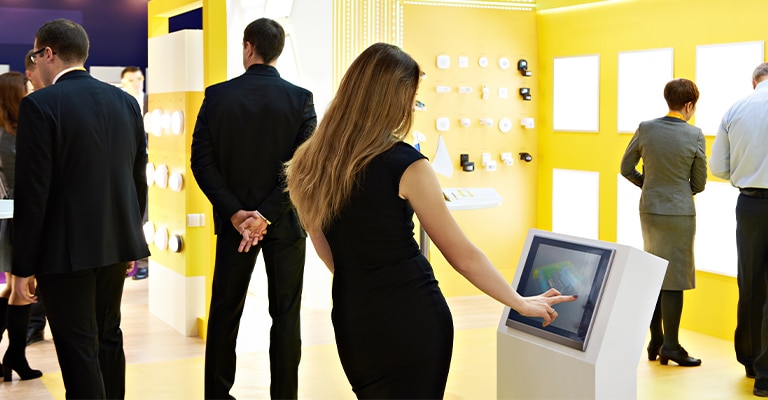
Digital elements transform passive viewing into active participation. Touchscreens let visitors explore your product catalog at their own pace. Virtual reality demonstrations immerse prospects in your solutions like never before. Augmented reality apps bring products to life through smartphone cameras.
According to event industry research, booths with interactive elements see 40-60% longer visitor engagement times compared to static displays. However, technology should enhance your message, not replace human interaction. Use digital tools to start conversations and qualify leads efficiently.
Minimalist Design Creates Impact
Clean, uncluttered designs command attention. White space creates breathing room that highlights your key messages. Bold typography communicates instantly from a distance. Strategic color choices guide eyes to crucial elements. Your products become the stars rather than competing with busy backgrounds.
Limit your color palette to 2-3 primary shades. Feature one focal point per display wall. Eliminate unnecessary decorative elements. Minimalism aligns naturally with sustainability while reducing costs. Attendees remember simple, powerful concepts better than information overload.
Multi-Sensory Elements Build Connections
Engaging multiple senses creates stronger memories than visuals alone. Textured materials invite physical interaction. Ambient audio masks distracting show floor noise. Pleasant scents trigger emotional responses and improve booth atmosphere. Comfortable seating encourages longer visits.
Strategic Lighting Sets the Stage
Lighting dramatically affects how attendees perceive your space. LED technology offers unprecedented control over color, intensity, and effects. Uplighting creates an inviting atmosphere in dim convention centers. Spotlights direct attention to featured products. LED fixtures use 75% less energy than halogen alternatives while generating less heat.
Wellness-Focused Spaces Attract Visitors
Exhibition halls can be exhausting. Forward-thinking exhibitors create booth environments that offer respite. Ergonomic furniture supports extended conversations. Hydration stations demonstrate thoughtfulness. Plants and natural elements reduce stress. These small investments in comfort generate substantial goodwill.
What to ask next: “What’s the budget for adding touchscreens to my booth?” or “How minimal is too minimal for my industry?”
Creating engaging experiences attracts visitors, but capturing their information and personalizing interactions drives conversions.
What Makes Lead Capture and Personalization Work?

Definition: Lead capture refers to the systematic collection and qualification of attendee contact information for post-event follow-up. Personalization tailors interactions based on visitor needs and interests.
Once you’ve engaged visitors, capturing their information becomes critical. Modern technology simplifies lead collection while improving accuracy. Badge scanners instantly capture attendee information with their permission. Digital forms eliminate lost business cards and illegible handwriting.
Efficient Data Capture Methods:
- RFID-enabled badges for touchless check-ins
- Tablet-based surveys that sync to cloud storage
- QR codes for instant digital brochure delivery
- Mobile apps that integrate with CRM systems automatically
Industry research shows digital lead capture increases follow-up speed by 65% and improves lead quality scores by 30-45% compared to manual methods. Sales teams access hot leads immediately rather than waiting days. Analytics reveal which booth elements generate the most engagement.
Personalization Accelerates Sales Cycles
Generic messaging fails in today’s competitive environment. Attendees expect relevant, personalized experiences. Pre-event research identifies high-value prospects visiting the show. You can prepare customized presentations addressing their specific challenges.
Dynamic content systems adjust displays based on visitor interactions. Industry-specific messaging on rotating displays targets different audiences. Customized product demonstrations address unique needs. Personalized follow-up materials generate on-site.
Furthermore, personalization shows respect for attendees’ time. You demonstrate understanding of their unique needs. This approach builds stronger relationships than one-size-fits-all presentations. Higher-quality leads justify the additional planning investment.
Hybrid Strategies Extend Your Reach
Virtual components expand your audience beyond physical attendees. Live streaming brings your booth to remote prospects worldwide. Digital showrooms remain accessible after events end. Virtual tours let prospects revisit your space and share links with decision-makers who couldn’t attend.
Hybrid approaches maximize your marketing investment significantly. Track online engagement alongside physical traffic. Identify which content resonates most with different audience segments. Use these insights to improve future marketing efforts.
What to ask next: “What CRM systems integrate with lead capture apps?” or “How do I research prospects before an event?”
Understanding trends matters, but strategic planning brings everything together for maximum impact.
Planning Your Next Display Strategy
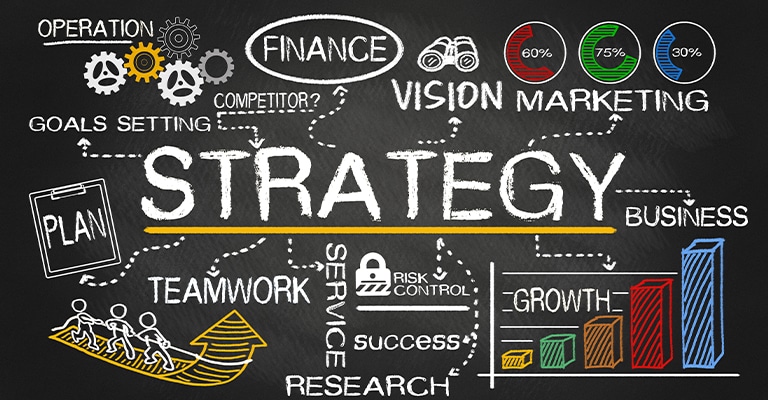
Now that you understand current trade show display trends, let’s translate knowledge into action. Successful trade show participation requires careful planning and execution.
Define Clear Objectives
Start by defining clear objectives for each event. What do you want to achieve? More leads, brand awareness, or product launches? Your goals should guide every design decision. Budget realistically for both display creation and ongoing costs.
Implementation Priorities:
- Audit your current display against these trends
- Prioritize updates that align with your goals
- Test new elements at smaller events first
- Gather feedback from staff and attendees
- Measure ROI to justify future investments
Moreover, stay informed about industry developments. Attend trade shows as a visitor to observe competitors. Network with other exhibitors to share insights. Continuous improvement separates successful exhibitors from the rest.
Track Performance Metrics
Measuring success requires tracking the right data points. Move beyond simple booth traffic counts to understand true impact.
Essential performance indicators:
- Lead volume and quality scores
- Conversion rates from booth visits
- Average engagement time per visitor
- Post-event sales attributed to show
- Cost per qualified lead
Additionally, track qualitative feedback from staff and attendees. What did people say about your booth? Which elements generated the most questions? This insight guides future improvements.
Implementation Checklist
Pre-Event (3-6 months out):
- Define measurable booth objectives
- Research attendee demographics
- Select trends to implement
- Budget for display updates
- Order materials and technology
Event Week:
- Test all technology before doors open
- Brief team on lead qualification
- Monitor booth traffic patterns
- Collect visitor feedback
Post-Event:
- Follow up with leads within 48 hours
- Analyze performance metrics
- Document what worked and what didn’t
- Calculate ROI by objective
What to ask next: “How do I measure booth ROI accurately?” or “What timeline should I follow for my next trade show?”
Final Thoughts on Trade Show Display Trends
The exhibition industry evolves constantly. However, certain principles remain timeless. Focus on creating authentic connections with your audience. Invest in quality experiences rather than flashy gimmicks.
Ultimately, successful exhibitors balance innovation with practicality. You don’t need every trend to succeed. Choose strategies that align with your brand values and target audience. Consistency matters more than chasing every new development. Start implementing these trends gradually. Small improvements compound over time into significant competitive advantages. Monitor results carefully and adjust your approach based on real performance data. Your willingness to evolve will determine your long-term trade show success.